our story
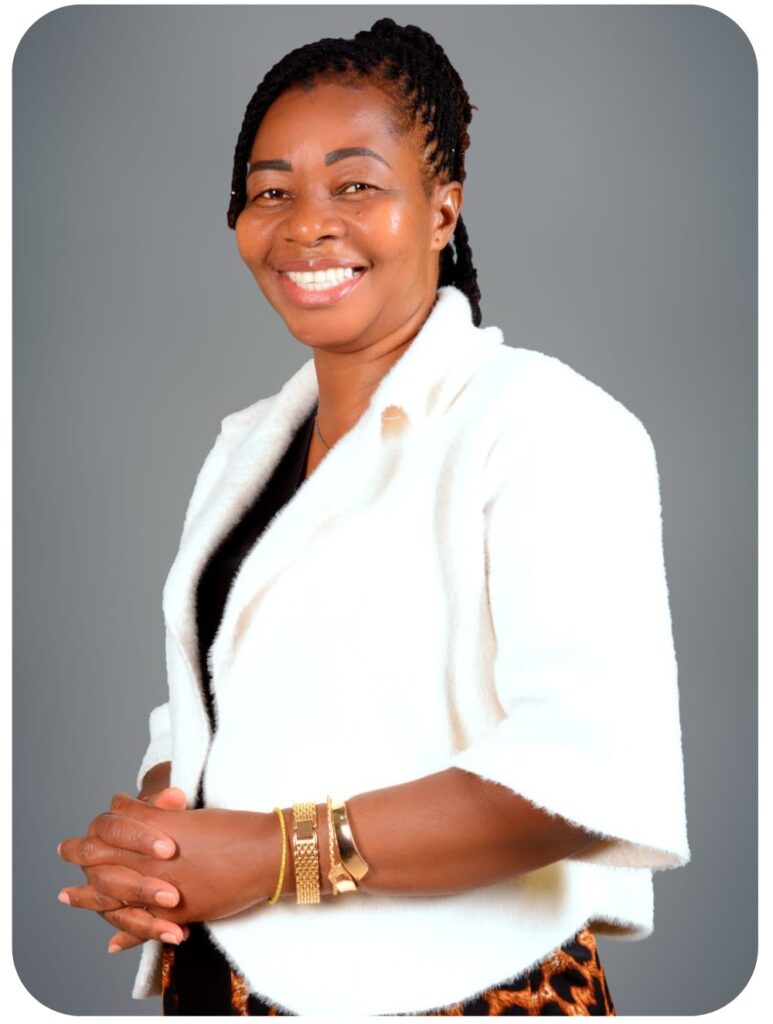
Hope of Life Foundation was born from what I saw growing up in Busia County, close to Lake Victoria. Families lived with illnesses nobody could name, older people grew old in houses nobody visited, and children left school for reasons that had nothing to do with ability. As a young girl, I watched families care for children who fell sick again and again, with swelling in their hands and feet and pain that nobody could explain. They were treated for malaria over and over, while the real cause went untested. I later came to understand that many of those children were living with sickle cell disease, an inherited blood disorder that is common in this region and still barely spoken about. What struck me was not only the illness. It was the silence around it and the way mothers were blamed for a diagnosis they did nothing to cause. My other teacher was my grandmother. I visited her often, and I saw what it meant to grow old in a house that nobody came to. She was not helpless. She was simply alone, and loneliness in old age does its own quiet damage. What began as my own visits became my family's work, and then it became larger than one family could carry. Hope of Life Foundation exists so that a child's condition is identified early and treated, and so that an old woman or an old man is not left to age out of sight. We do not do complicated work. We take the truth to people, and then we come back. I believe that when people care for one another, hope is restored, lives are transformed, and communities become stronger.
WHY WE EXIST
Hope of Life Foundation exists because of two silences.
The first surrounds sickle cell disease. It is an inherited blood disorder, common in the communities along Lake Victoria, and it is still widely misunderstood. Because carriers usually have no symptoms, most parents have no reason to suspect anything until a child becomes repeatedly ill. Families are told it is a curse. Mothers are blamed. Children are pulled out of school, and young adults hide their status from the people they intend to marry. Meanwhile, a blood test that takes only minutes, followed by a low-cost package of routine care, can change what that child's life will look like. What is missing in most of our communities is not the science. It is information, testing that people can actually access, and someone who comes back after the diagnosis.
The second silence surrounds older people. Widowhood in later life is rarely only a bereavement. For many older women, it means losing the land and the house along with the husband. For older men, it means losing the person who managed the household and being left with no one who knows how. The children have gone to town, the extended family systems that once supported older people are stretched beyond their capacity, and the state safety net often does not reach a person who cannot travel and has nobody to send. What is left is an older person managing illness and hunger alone, in a house that nobody visits. We were founded to break both silences, and we do it the same way in each case: go to people where they are, tell them the truth, and stay long enough for it to matter.
Where We WORK
We are rooted in Busia County, where the Foundation began. Busia faces a heavy burden of health challenges, including high rates of sickle cell disease, HIV, and cancer, compounded by poverty and limited healthcare infrastructure. While our roots are in Busia, our work extends across all counties in Kenya. We respond to need rather than administrative boundaries, going wherever a local church, chief, health facility, community, or family invites us to serve.
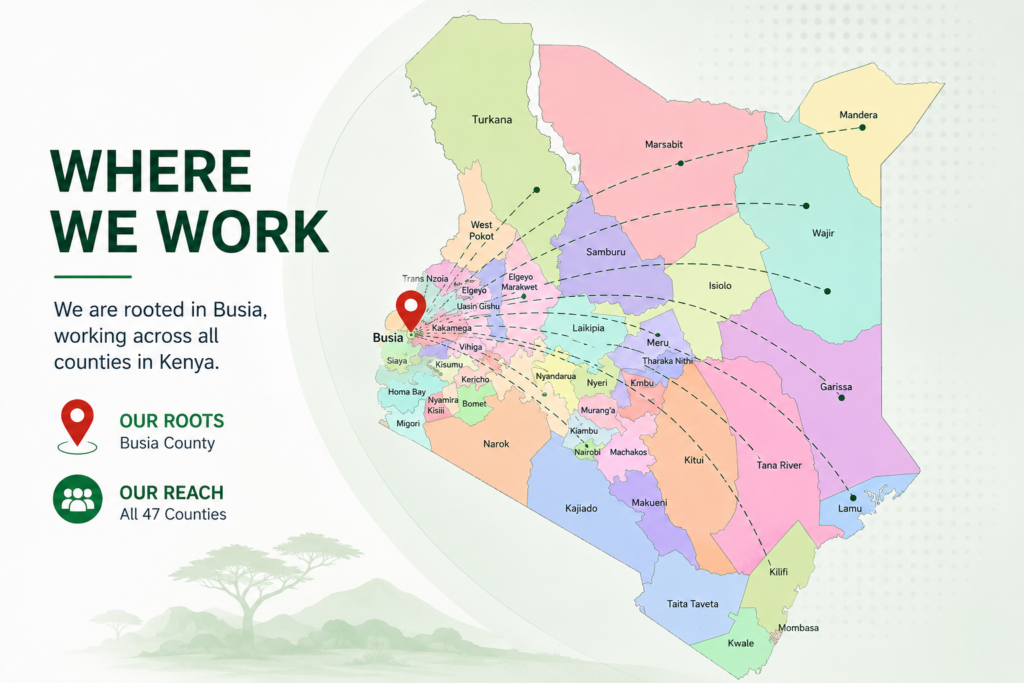
Together, we can restore hope, improve health, and transform lives across Kenya.
our team
The people who carry this work, and who you will meet if you visit.
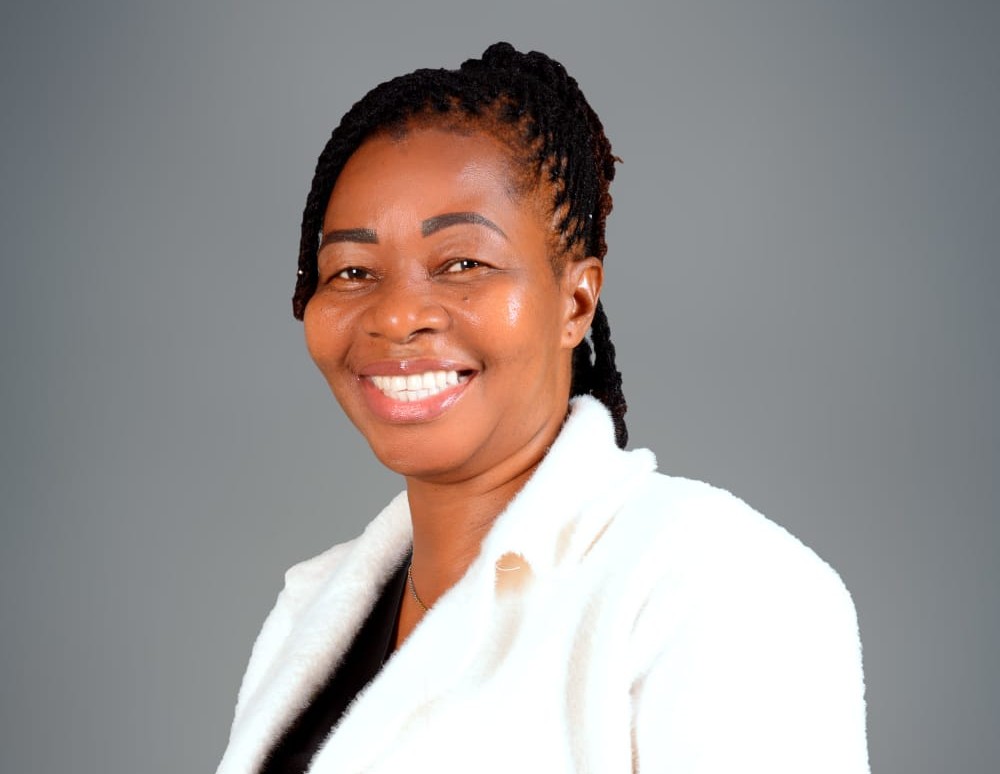
Praxides Wakhaya is a seasoned humanitarian and founder of Hope of Life Foundation. She leads the Foundation in advancing its mission of Giving Hope to the Hopeless, with a focus on healthcare support, community outreach, vulnerable populations, and restoring dignity through compassionate action.
Endrian Lupia is an energy management professional, human rights advocate, and Climate × Health advocate. He leads Hope of Life Foundation's partnerships and programmes, supporting strategic collaborations and initiatives that advance the Foundation's mission and expand its impact.